Sermon Summary
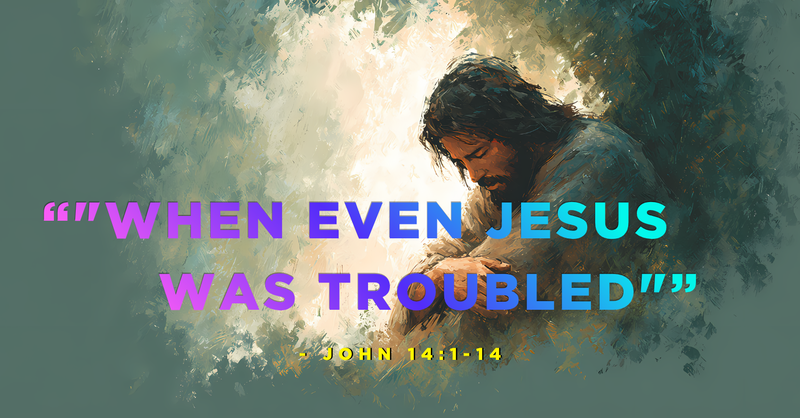
We acknowledge mental health as part of faithful life and refuse the false divide between spiritual devotion and emotional struggle. We see Jesus speak from inside distress, not above it, and we accept that trouble lives in the same body that receives grace. We name the weight that anxiety, grief, betrayal, and denial place on the heart and refuse to hide those cracks beneath a smile or a quick answer. We recognize some struggles are temporary chapters and others run deeper, but all deserve honest naming and compassionate care.
We insist that faith does not magically erase pain. Prayer and church matter, but they do not substitute for professional care when needed. We encourage seeking licensed help while keeping the faith community as a steady companion on the journey. We practice truth-telling about our inner lives so that the isolating shame that deepens suffering dissolves in the light of mutual vulnerability.
We reclaim belonging as a present reality, not only a future promise. The image of dwelling places in the Father’s house becomes an invitation to make room now for people who carry heavy hearts. We commit to show up without needing to fix, to listen without rushing, and to hold one another when the ground shifts. Presence, not perfection, represents the work of faith in troubled times.
We accept that being human includes moments of doubt and instability, and we refuse to read those moments as failure. Christ’s identity as the way, the truth, and the life shows that the path forward forms through relationship and shared endurance. We keep company with one another, carry stories together, and build a community where healing begins through shared burdens. We pray for courage to speak honestly, grace to listen deeply, and love that stays. We embody a faith that walks into the trouble and refuses to abandon anyone there.
Key Takeaways
- 1. Jesus shares our troubled hearts. We name Jesus standing within the weight of trouble, showing that sorrow and fear do not exclude us from divine presence. This truth invites us to admit our struggles without shame, replacing isolation with solidarity. The recognition reshapes how we minister to one another, centering on presence rather than performance. [02:07]
- 2. Honest naming breaks the silence. We practice naming distress plainly so pain stops hiding in polite answers and spiritualized platitudes. Confession of real feeling creates space for practical care and dismantles the lie that struggle equals spiritual failure. Naming becomes an act of faith that ushers the community into compassionate action. [05:31]
- 3. Presence matters more than answers. We prioritize showing up over solving, listening over advising, and bearing witness over offering quick fixes. That posture incarnates the works of Christ when words fall short, and complexity resists tidy solutions. A community that stays models the gospel as accompaniment in suffering. [14:12]
- 4. Belonging holds in troubled times. We make room now for those who feel unsteady, affirming that belonging comes before competence. Creating dwelling places within a community signals that identity rests in relationship, not in emotional steadiness. Such belonging allows healing to begin where brokenness is already known. [09:26]
YouTube Chapters
- [00:00] - Welcome
- [00:17] - Mental Health Awareness Month
- [01:06] - Whole Person Embrace
- [01:28] - Jesus Speaks From Within Trouble
- [02:27] - Masks and Sanctuary
- [04:05] - Living With Mental Illness
- [05:31] - Naming the Struggle
- [09:26] - Belonging Here and Now
- [13:42] - Community Shows Up
- [15:28] - Prayer and Sending