Sermon Summary
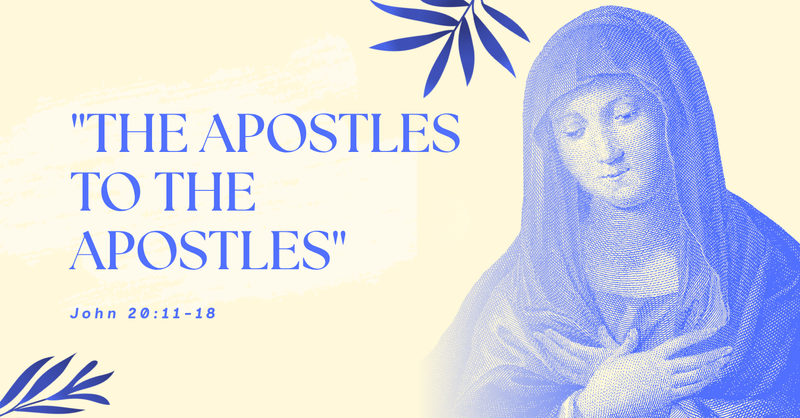
Before sunrise, Mary Magdalene goes to the tomb carrying grief, confusion, and a stubborn love that refuses to let go. Tradition has diminished her, mislabeled her, and cast shadows over a discipleship that the gospel portrays as steady and courageous. Mary does not flee her sorrow; she stands weeping and remains until something new breaks through. Recognition of the risen Christ comes not first through sight but through voice when the Lord calls her name, and that calling restores the world by restoring her. The risen one entrusts the first proclamation of the resurrection to a woman whose testimony the world would have silenced, and she responds without demanding authority. Her faith comes from encounter, not conjecture; she declares I have seen the Lord and goes to tell the others.
The narrative reframes Magdalene’s identity from scandal to strength, suggesting that Magdalene can mean tower, a tower of strength that stands when others flee. The account exposes how quick judgment and cultural assumptions obscure gifts and callings in the present church and society. The resurrection does more than defeat death; it changes who speaks and how the good news spreads. Calling bears power: when Christ calls a name, recognition follows, sorrow turns to witness, and the church receives its charge to listen, honor, and send. The story presses a clear demand: stop dismissing voices that carry resurrection, receive testimony forged in encounter, and create space where women and the marginalized flourish equally. If the wider community heeds such testimony, the church will grow stronger, and the gospel will come alive among those hungry for hope. The risen Christ still calls people in the quiet, meets them in grief, and sends them out to proclaim life. The final prayer points to conversion of ears and hearts: open eyes to see as God sees, open ears to hear as God hears, and answer when called so that sorrow becomes testimony and silence becomes proclamation.
Key Takeaways
- 1. Mary as the first resurrection witness. Mary’s encounter models faith rooted in direct experience rather than secondhand rumor. Her announcement, I have seen the Lord, transforms a private encounter into a public commission and demands that testimony count even when cultural norms would silence it. Her witness reframes authority: encounter authorizes proclamation. [01:15]
- 2. Stop judging by outward appearances. Quick judgments obscure true calling and competence, and cultural stereotypes often erase vocational identity. A person’s dress, tattoos, or demeanor may hide a depth of training, courage, or calling that only attentive listening will reveal. The community loses when it privileges appearance over encounter. [03:38]
- 3. Grief can be blind to God’s presence. Unprocessed sorrow narrows vision and keeps hope from recognition, yet it also anchors a vulnerable faith that waits rather than flees. Mary’s weeping becomes the soil where resurrection breaks through, showing that faithful attention to grief prepares the way for revelation. That paradox calls the church to honor sorrow as a place where God still speaks. [06:57]
- 4. Listen for the called voices. God names and sends messengers from unexpected places; honoring those voices expands the church’s capacity for proclamation. When the community refuses to hear, it forfeits resurrection testimony and weakens its witness. The faithful response trains ears to recognize Christ’s voice and hands to send those He calls. [13:26]
YouTube Chapters
- [00:00] - Welcome
- [00:26] - Mary goes to the tomb
- [00:48] - Tradition mislabels Mary
- [01:15] - Mary as first witness
- [04:21] - Imagine listening to women
- [06:57] - Mary weeps and remains
- [08:35] - Recognition by Christ’s voice
- [09:12] - Commissioned, apostle to apostles
- [11:59] - I have seen the Lord
- [13:26] - Call to listen and respond
- [14:11] - Prayer and sending